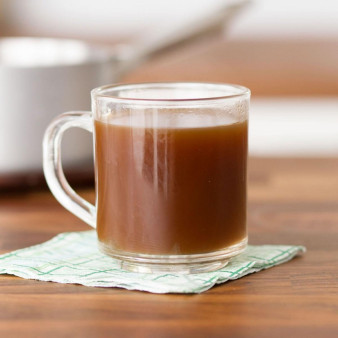


Ingredients for - Bone Broth Recipe
How to cook deliciously - Bone Broth Recipe
1. Stage
Begin by preheating the oven to 450°F. Meanwhile, gather up all those beefy bones and place them in a large stockpot. Add enough water to cover, then crank up the burner to medium-high and bring the contents to a boil. Turn down the heat and let the pot simmer, gradually bubbling for 15 minutes. Drain the bones from their watery bath and give them a quick rinse. Discard the boiled water. Test Kitchen Tip: Notice an ugly foam collecting on top? Don't worry, that's supposed to happen. In fact, this step is done to get rid of some of the gunky stuff inside all bones, so your final broth will be clear with a pure flavor.
2. Stage
Spread the boiled bones onto your roasting pan and cook uncovered for about 30 minutes. Add onions and carrots if you'd like. They aren't strictly necessary, but they help deliver the final flavor. Continue to roast for 30 to 45 additional minutes until the bones and vegetables are a deep, caramelized brown. They should almost look burnt! Remove from the oven and carefully drain the fat. Test Kitchen Tip: Don't skimp on roasting the bones. This is where the final broth gets its rich color and flavor.
3. Stage
Carefully transfer bones and veggies into a large stockpot. Don't rinse that roasting pan just yet. See all those brown bits stuck to the bottom? That's called the fond, and it will help form the base of the broth. Add warm water to the pan and stir with a wooden spoon to loosen it.
4. Stage
Transfer the pan juices to the stockpot. Add seasonings and enough cold water to cover. Slowly bring the broth to a boil. It'll take about 30 minutes. Then, reduce the heat and cover with the lid slightly ajar. Let it simmer for as long as possible. Between 8 and 24 hours will do. Don't feel like you have to stay glued to the pot the entire time. But do return occasionally to skim the foam or, if necessary, add water to keep the ingredients covered. Test Kitchen Tip: We usually love adding lots of herbs and spices, but in this case, keep them to a minimum. The long simmering time will extract a ton of flavor from the herbs, which could overpower the finished broth. You can always add additional herbs and spices when you've finished.
5. Stage
Use tongs to remove the beef bones from the broth and let the pot cool. Line a colander with cheesecloth and place over a large bowl. Then, carefully pour in the broth to strain. Discard any remaining vegetables or seasonings.
6. Stage
If using immediately, skim the fat. It's easier to remove the fat after the broth is cooled, though. To do that, put the broth in the fridge to chill overnight. The fat will congeal on the surface, making it easy to scrape it away with a spoon.


